



Best Non-Electric Water Purifiers: Features & Benefits
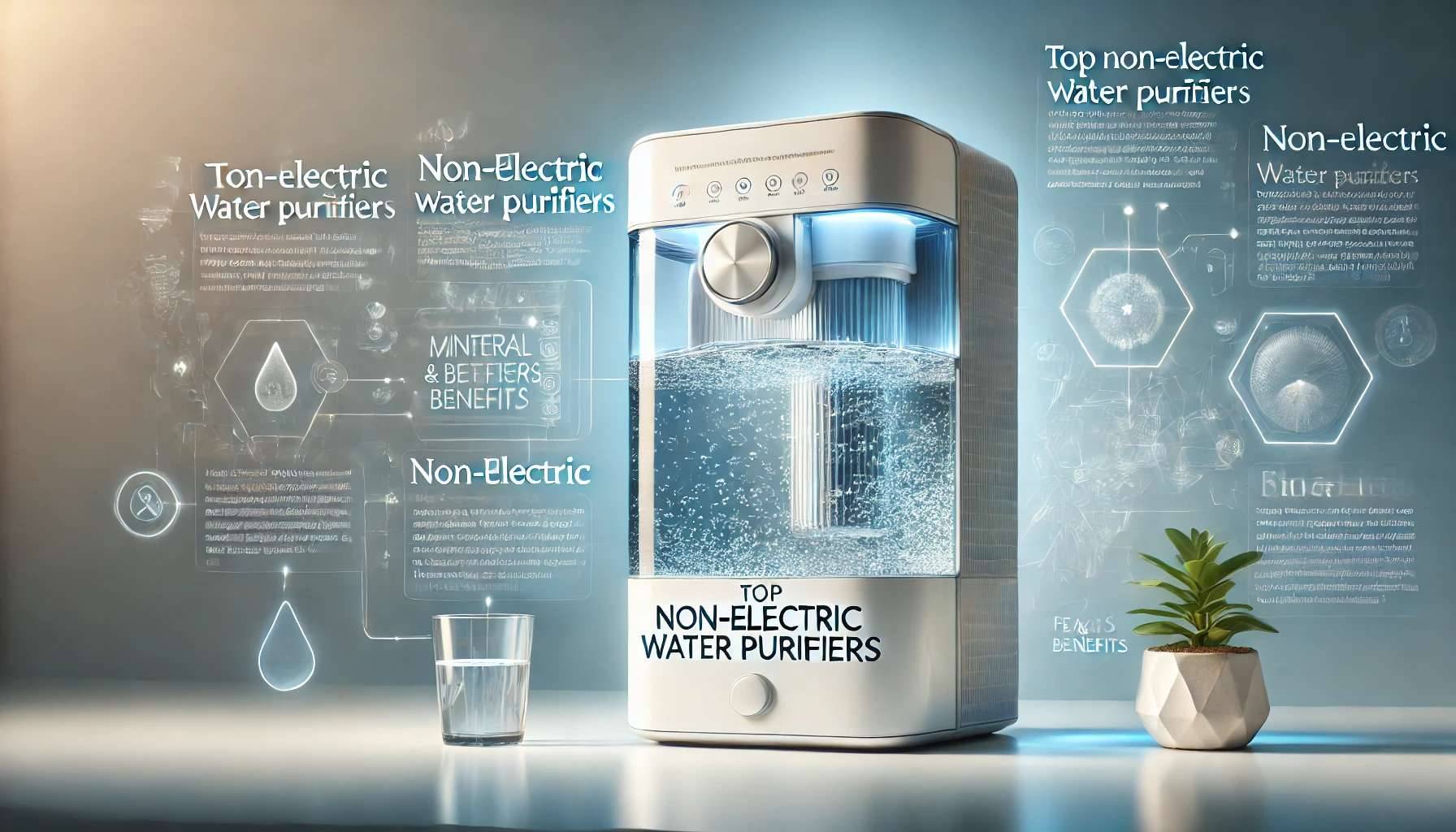
Access to clean and safe drinking water is essential for every household. However, not all homes have access to an electric water purifier. This is where the water purifier without electricity comes in, offering a reliable, energy-efficient way to purify water. These purifiers are designed for households, rural areas, and regions with frequent power cuts.
In many areas, water sources may contain contaminants such as sediment, chlorine, bacteria, heavy metals, and even harmful chemicals. Without proper purification, these contaminants can lead to health issues such as gastrointestinal diseases, skin irritations, or long-term exposure risks. Non-electric purifiers address these common issues through gravity-based filtration, ceramic filters, and mineral enhancement. By understanding the common problems in water contamination, you can make an informed choice for your household’s water needs. In this guide, we will explore the benefits, features, and top options for non-electric water purifiers, helping you choose the best solution for your needs.
Top Features to Look For in Non-Electric Water Purifiers
1. Multi-Stage Filtration
Advanced non-electric water purifiers often include multi-stage filtration technologies. These can incorporate activated carbon filters, sediment filters, and ceramic filters. Some models also use ultrafiltration (UF) membranes to remove bacteria and other pathogens without requiring electricity. Activated carbon absorbs harmful chemicals and odors, while ceramic filters trap fine particles and microorganisms. This layered filtration ensures water is free from impurities, harmful chemicals, and biological contaminants.
2. Large Storage Capacity
For households with high daily water consumption, larger storage tanks (ranging from 10 to 20 liters or more) are essential. Look for purifiers with high-capacity tanks to reduce the need for constant refills and ensure a steady supply of clean water throughout the day.
Non-electric purifiers come with varying storage capacities, catering to different household sizes and water usage requirements. For smaller households, a 5-liter tank might be sufficient, while larger families may require at least 15 liters or more to meet their daily needs. Choosing the right storage capacity ensures convenience and consistent access to purified water, even during high-demand periods or emergencies.
3. BPA-Free Materials
Ensure the water purifier is constructed with food-grade, BPA-free plastic materials. BPA-free products are free from harmful chemicals that could leach into the water, providing an added layer of safety for your family. These materials also ensure the water remains fresh and uncontaminated during storage.
4. Gravity-Based Filtration Systems
Most non-electric purifiers utilize gravity-based filtration, which doesn’t require any external pressure or power source. This system works efficiently by allowing water to flow through various filters solely using gravity. Some advanced models include enhanced ceramic filters or ion-exchange resin to further improve water quality by removing hardness and heavy metals.
5. Silver-Impregnated Carbon Filters
To enhance antibacterial properties, some water purifiers use silver-impregnated activated carbon filters. This technology not only removes chlorine and improves taste but also inhibits bacterial growth within the filter, ensuring safer, longer-lasting filtration. Silver’s antimicrobial properties help reduce bacterial regrowth in stored water.
6. Low Maintenance Requirements
Non-electric water purifiers generally have fewer moving parts, making them easier to maintain. Prioritize models that offer easy-to-clean components and replaceable filter cartridges with clear replacement guidelines. Some models even have filter change indicators for added convenience.
7. Mineral Enhancement Features
Certain non-electric purifiers add beneficial minerals like magnesium and calcium to the water. These mineral-enriching features not only enhance the taste but also improve the nutritional quality of the water. Such enhancements can help balance the pH level of the water, contributing to overall health and well-being.
By focusing on these advanced filtration technologies and features, you can ensure your chosen water purifier provides optimal water quality, convenience, and health benefits.
Best Non-Electric Water Purifiers Available
Aquagem 15-Liter Capacity Mineral Pot (Blue)

This model is known for its 15-liter capacity and advanced mineral pot system. It ensures water is free from impurities while adding essential minerals for better taste and health. Its BPA-free construction and multi-stage filtration make it a popular choice for medium-sized households.
Features:
- 15-Liter Capacity: Suitable for medium-sized households, providing an adequate supply of purified water for daily needs.
- Mineral Pot System: Retains essential minerals like calcium and magnesium for improved taste and health.
- BPA-Free Construction: Made from food-grade materials to ensure the safety and freshness of your water.
- Multi-Stage Filtration: Combines activated carbon, sediment, and ceramic filters to remove impurities, harmful chemicals, and bacteria.
Benefits:
- Improved Water Taste: The mineral enhancement feature improves the taste of your drinking water, providing a healthier alternative to regular water.
- Long-Lasting Durability: BPA-free construction ensures that your water remains uncontaminated and safe for consumption.
- Easy to Use and Maintain: With its large capacity, this purifier reduces the need for constant refills, making it a convenient choice for households.
Mineral 16-Liter Non-Electric RO Purifier (White Transparent)

Ideal for large families, this 16-liter purifier offers gravity-based filtration with enhanced mineral retention. Its sleek, transparent design allows users to monitor water levels easily, while the high-capacity storage ensures sufficient water for daily use.
Features:
- 16-Liter Capacity: Ideal for larger families, offering a high capacity for daily water consumption.
- Gravity-Based Filtration: Uses gravity to naturally filter water without the need for electricity.
- Transparent Design: The sleek, transparent design lets users monitor the water levels at a glance.
- Enhanced Mineral Retention: Retains beneficial minerals during the filtration process to improve water quality.
Benefits:
- High Capacity for Large Families: The 16-liter storage ensures an adequate supply of water, even during high-demand periods.
- Eco-Friendly and Energy-Efficient: No electricity is required, making it a cost-effective and environmentally friendly option.
- Easy Monitoring: The transparent design allows users to check the water level easily, reducing the need for frequent refills.
Aquagem 15-Liter Capacity Mineral Pot (Blue Domestic RO)
This model features a sleek design and efficient multi-stage filtration, making it perfect for small to medium-sized households. Its advanced mineral pot system enhances water quality by retaining essential minerals.
Features:
- Sleek Design: Compact and stylish design to complement your home decor.
- Multi-Stage Filtration: Includes activated carbon and ceramic filters to remove impurities and harmful chemicals.
- Mineral Pot System: Retains essential minerals like calcium and magnesium, improving water taste and health benefits.
- 15-Liter Capacity: Suitable for small to medium-sized households.
Benefits:
- Better Health: By retaining essential minerals, this purifier ensures you get safe and healthy drinking water.
- Convenient Size: With a 15-liter capacity, it is ideal for small to medium-sized families, providing consistent access to purified water.
- Long-Lasting Filtration: The multi-stage filtration ensures that contaminants, including harmful chemicals and bacteria, are effectively removed from your water.
Aqua RO Dartle WF1 Aqua Blue 5-Liter Storage

This compact, non-electric water purifier is perfect for small households or individuals. Its gravity-based filtration system is designed to remove bacteria and impurities efficiently. Despite its smaller size, it provides high-quality filtration for daily use.
Features:
- 5-Liter Storage: Perfect for small households or individual use.
- Gravity-Based Filtration: Utilizes gravity to purify water, ensuring an energy-efficient process.
- Compact Design: The small size makes it easy to store in small kitchens or spaces.
- BPA-Free Materials: Ensures the water remains fresh and free from harmful chemicals.
Benefits:
- Compact and Efficient: Despite its smaller size, this model provides effective filtration without electricity, making it ideal for smaller households.
- Easy to Use: Its gravity-based filtration requires no power, making it simple and hassle-free.
- Safe and Fresh Water: The BPA-free construction ensures that the water remains safe and uncontaminated.
Aqua RO Dartle WF2 Red Color 5-Liter Storage

Offering the same great filtration in a vibrant red color, this purifier is a stylish and efficient choice for small spaces. Its silver-impregnated filters ensure long-lasting, bacteria-free water storage.
Features:
- 5-Liter Storage: A suitable capacity for individuals or smaller households.
- Gravity-Based Filtration: Relies on gravity for natural filtration without electricity.
- Silver-Impregnated Filters: Helps inhibit bacterial growth and improve water quality.
- BPA-Free Materials: Ensures no harmful chemicals leach into your water, keeping it fresh and pure.
Benefits:
- Stylish and Functional: The vibrant red design adds a modern touch while delivering effective water purification.
- Long-Lasting Performance: The silver-impregnated filter ensures that your water stays free from bacteria for a longer period.
- Easy Maintenance: With minimal components, this purifier is easy to clean and maintain.
How to Maintain a Non-Electric Water Purifier
Regular maintenance is key to ensuring your non-electric water purifier functions optimally. Here are some tips:
-
Clean the Storage Tank Regularly: Wash the tank with mild soap and water to remove any accumulated residue or bacteria.
-
Replace Filters as Recommended: Follow the manufacturer’s guidelines for replacing filters to maintain water purity.
-
Check for Leaks or Cracks: Inspect the purifier regularly for any signs of damage.
-
Avoid Overfilling: Overfilling the storage tank can lead to spills or compromised filtration efficiency.
Frequently Asked Questions (FAQs)
Are non-electric water purifiers effective against bacteria?
Yes, many non-electric purifiers use ultrafiltration membranes or ceramic filters that can effectively remove bacteria and other pathogens. These filters are designed to block microorganisms without using electricity.
How often should I change the filters?
It depends on the model and water quality, but most manufacturers recommend replacing filters every 6 to 12 months. Regular filter changes ensure optimal water quality and prolong the life of the purifier.
Can non-electric purifiers remove heavy metals?
Some advanced models with multi-stage filtration can remove certain heavy metals, but not all. Check the product specifications for details on heavy metal removal.
What is the ideal storage capacity for a family of four?
A storage capacity of 10 to 15 liters is generally sufficient for a family of four, ensuring an adequate supply of purified water. Larger families or households with higher water consumption may require bigger storage capacities.
By considering these features, maintenance tips, and top models, you can find the best water purifier without electricity to suit your household’s needs.



